Certificates and batch records are more important than price list. Wholesale prices are based on volume. MOQs vary by factory. Keep in a cool, dry place. Refer to label for shelf life. Buyers need to steer clear of counterfeit and gray-market threads.
PDO threads have become commonplace in aesthetic practices. Demand keeps growing. So does the number of suppliers, and quality varies a lot. Whether you buy as a clinic group, a distributor, or for delivery to an injection service, you are purchasing a sterile medical device. A small mistake can be repeated hundreds of times. Here are a few things to review before placing a wholesale order.
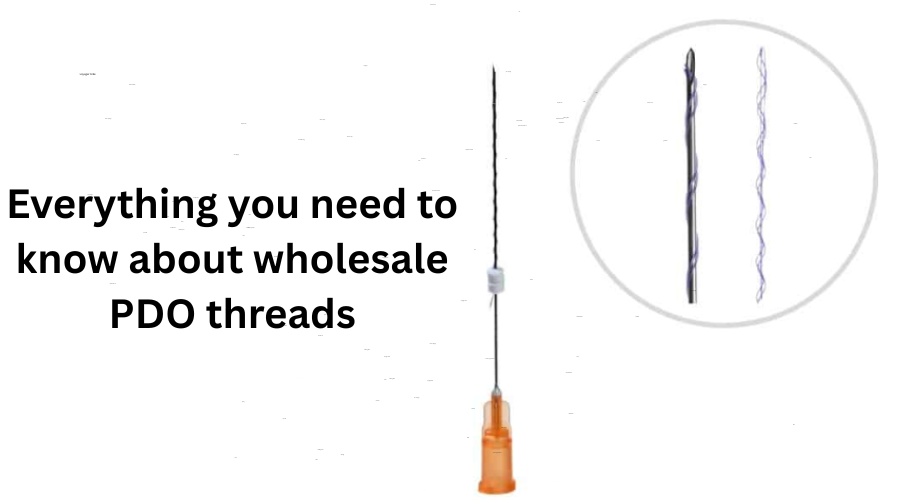
PDO stands for polydioxanone. It's an absorbable polymer that has been used for centuries as surgical sutures. Aesthetics uses the same material, spun into very fine threads, placed beneath the skin. They plump up tissue, encourage collagen, or enhance light volume. The body absorbs these in about 6-8 months. Wholesale indicates the purchase of goods in quantity; typically direct from a factory or a licensed wholesaler. Better deals on the lower units. You, on the other hand, are responsible for the inspection of documents, storage, and local import rules.
Mono threads are smooth strings. They improve skin texture and fine lines. These are not used for lift. Sizes are typically from 29G to 30G and lengths from 25 mm to 50 mm.
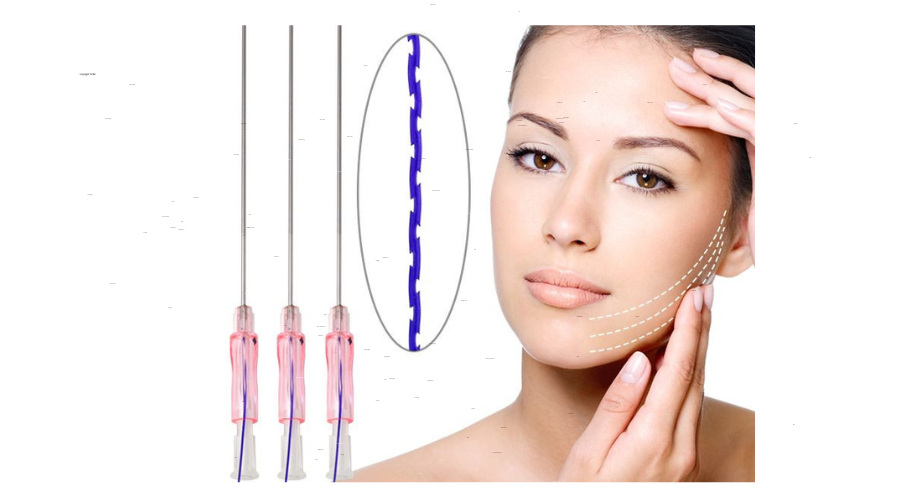
Cog threads have barbs along the strand. The barbs grip tissue and hold it up. These are the lifting threads for the jawline, cheeks, and brows. Sizes are typically up to 21G, and the length is between 60 mm and 100 mm. Barbs are available in both cut and molded shapes, and tend to grip better when molded.
Screw threads are also known as twin threads or spiral threads. They twist around each other. They are added in areas with soft volume, like the temples or nasolabial folds. Each type will work with a particular clinical need, which is why most wholesale orders combine two or three types.
So, what things do you need to look for before bulk ordering PDO threads?
Review ISO 13485 and CE certificates, batch test reports, sterilization, and expiry dates. Get some samples before ordering. When considering a large purchase, make sure everything is checked with issuing bodies.
Gauge numbers go backward. A higher number indicates a thinner needle. You can use a very thin 30G needle. An 18G cannula is definitely thick. Thinner ones are appropriate for light skin. Thicker ones can carry more thread and provide more lift. An easy option is a needle or cannula. Needles can be sharper and tear tissue easily, but they bruise more. Blunt cannulas have less effect on vessels but must have entry into the vessel first. Many injectors prefer cannulas for the lower face cog threads. Discuss with your clinic what they really use before buying it.
Start with ISO 13485:2016. This is the quality benchmark for medical device companies. Then request CE Marking as per the EU Medical Device Regulation. When selling in the USA, enquire if the product is FDA cleared. Not many do, so be sure to read the words carefully. Also request a Certificate of Analysis for each batch. Include the sterilization validation report, Instructions for Use, and a free sale certificate, if required by your country. Only compare certificate numbers with the issuing organization, not the supplier. Scans are an easy target. And look at the scope. A cosmetics certificate does not apply to sterile devices.
Most PDO threads are prepared by ethylene oxide, which is written as EO threads. Inquire about the sterility assurance level, which would be 10⁻⁶. Be sure to inquire about testing of EO residue. The product may contain traces that sensitize the skin if the product is poorly aerated. Typical shelf life is two to three years from the manufacturing date. When they arrive, look at the expiration date on each box. Short-dated stock is a frequent issue with low-cost stock. Thread is best kept at 15-25°C in a cool, dry location away from direct light. Do not open boxes until ready to use. High temperatures and humidity may degrade the polymer and packaging.
There are many factors for the price, like type, gauge, and volume. Mono threads are generally sold wholesale at $0.30 to $1.50 per piece. Cog threads are typically in the price range of $2 to $8. Specialty designs and screw threads are more expensive. Discounts vary from 10 to 20 percent at higher quantities of over 1,000. MOQ varies a lot. Stock products might take trial orders of 100-500 pieces. The cost of a private label with custom boxes can begin at 1,000 to 5000. Request a full price list for each level. Consider landed cost including freight, duty, testing costs, etc. It might cost more if the quote is lower, but shipping and handling are higher.
Look for missing batch numbers, poor printing, poor packaging, and prices much lower than the market. Check with the manufacturer for batch codes. Purchase from only official retailers.
There are numerous factories that provide OEM services. You choose the thread specs and add your own brand. Your logo is printed in your name on the box, the pouch, and instructions. This allows a distributor to have a product line without owning a plant. Look at legal aspects first before you agree. In certain markets, being identified by your name as the seller is considered the manufacturer of record. That means you're responsible for registration and liability. Ensure the contract specifies ownership of the artwork, the registered copy, and what will be done if there is a failed batch. Just a brief talk with a regulatory expert will save actual cash along the way.
PDO threads are a medical device . Device Registration and a licensed importer are mandatory in many countries. Some can take CE Marking. Others would rather have local permission. Rules change so check with your health authority before you order. “Documents matter at the border. For a normal shipment, you need commercial invoice, packing list, certificate of origin, CE papers, ISO papers and sterilization papers. Missing paperwork is the number one reason devices get stuck in Customs. Request a full documentation pack from your supplier and review it prior to shipment of the goods.
Wholesale PDO threads. Not a promise, just evidence. Expiry & sterilization checking, test sample & certificate checking & approval. Check import regulations and maintain a register of each batch . Compare landed price . Take Get it done in advance and you have a safe, stable product.
What kind of clinic or distributor supplier provides bulk PDO threads?
Bulk orders are available from certified manufacturers that have ISO 13485 and CE certificates, frequently ranging from 500 to 1000 pieces per type.
What is the wholesale price of PDO threads?
Mono threads usually cost $0.30 - $1.50 per thread and cog threads $2.00 - $8.00 per thread.
Who is a custom PDO threads supplier with private label options?
OEM factories have custom packaging, logos, and specs, typically MOQ 1,000 - 5,000 pieces.
Who offers bulk PDO threads with customization at discounted rates?
Many suppliers offer 10% to 20% off custom orders over 1,000 pieces, especially for repeat orders.
How long does a wholesale PDO threads order take to arrive?
Stock items ship in one to three weeks. Custom runs take 4-8 weeks in addition to transit.
For owners of medical spas and clinical purchasing managers, confirming
READ FULLHighlights Certificates and batch records are more important than price list. Wholesale
READ FULLPDO threads selection is not simply a matter of compa
READ FULL