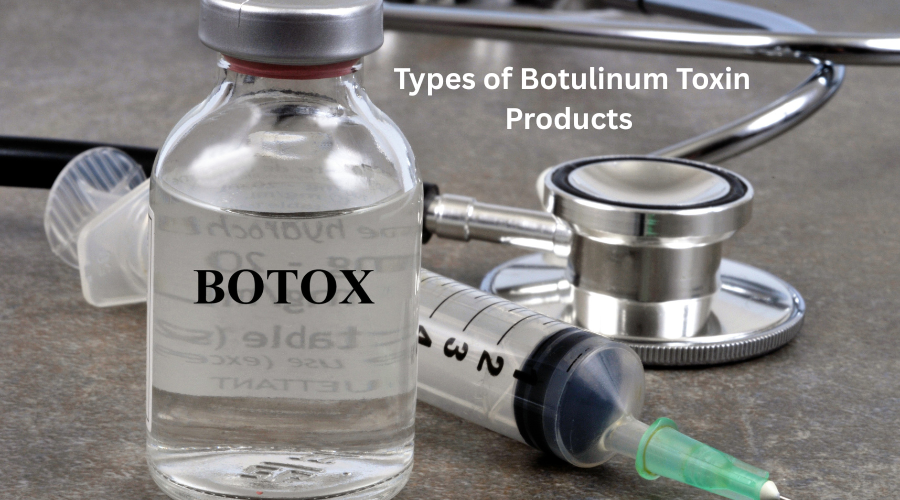
Botulinum toxin is one of the most commonly used medicinal products for both aesthetic and therapeutic applications. It’s probably just commonly called Botox. However, Botox is a single brand name in many. Today, there are several different types of botulinum toxin products, each having different formulations, approved uses, and clinical characteristics. This guide discusses all the differences between various types for practitioners, buyers, and patients.
Botulinum toxin, in small amounts given to patients, can temporarily interrupt the signal to muscles. The targeted muscle is no longer so tight or active in its contractions. In medicine, it is employed to treat various conditions caused by muscle overactivity, and in aesthetics, it is being used to smooth wrinkles.
There are several serotypes of the toxin, called A through G. In clinical medicine, only type A and type B are used. Type A is by far the most commonly used. Type B is not used as extensively in the clinic. The two serotypes are the source of all commercially available botulinum toxin products.
The dominant serotype of type A is used clinically worldwide. It has longer-lasting effects and can be used for many more cosmetic and medicinal uses. Most of the big brand names for botulinum toxin drugs, such as Botox, Dysport, Xeomin, Nabota, Botulax, and Innotox, are type A formulations.
Type A products can inhibit the release of acetylcholine at the neuromuscular junction. This stops the muscle from getting the signal to contract. It lasts only a short period. Gradual recovery of nerve terminals and muscle function typically occurs within 3-6 months, depending on the product area.
Type B operates differently in the pathway of a nerve terminal. Myobloc is the main type B product in the United States, and Neurobloc is the main product in Europe. It has a quicker onset of action than type A but a shorter duration. It is primarily used to treat cervical dystonia, characterized by involuntary muscle tension in the neck. It is not as commonly used for cosmetic procedures as type A.
Products also vary in their formulation in addition to serotype. Differences in formulations affect clinical performance, reconstitution, diffusion profiles, and storage.
In some preparations of botulinum toxin Type A, complexing proteins are present with the active toxin. These proteins surround the toxin molecule and were believed at the time to stabilize it. Some are complex, such as Botox and Dysport. The complexing proteins do not appear to be active per se, but do affect the molecular weight of the product, which may account for a spread in tissue after injection.
Other products completely remove complexing proteins, leaving behind pure botulinum toxin molecules. One of the most popular of this approach is called Xeomin. Highly purified formulations are also utilized in Korean merchandise, such as Nabota. The reason for removing the complexing proteins is to minimize the risk of antibody buildup against the non-toxin proteins over time. This will reduce the likelihood of becoming resistant to treatment in those who inject often.
Most Botulinum toxins are currently commercially prepared as lyophilized powders, which must be mixed with sterile saline before injection. Some products, however, are supplied as a liquid and ready to use from a vial. One such example is Medytox's Innotox. This eliminates the need for reconstitution and ensures an accurate concentration, as there is no risk of dilution-related falsification across different dilutions.
Several brands are well established in the global market, and many newer brands from Korea and other Asian countries are emerging.
Botox
Botox has been produced by Allergan, which is now part of AbbVie. The oldest and best-known brand of botulinum toxin on the world market. It has more regulatory approvals in more countries than any other product. It comes in a complex type A formulation, in vials of 50 and 100 units.
Dysport
Dysport is produced by Ipsen and sold by Galderma in many countries worldwide. It also has a complex type A formulation. Dysport units are not equal to Botox units. Generally, more units of Dysport are required to see the same clinical results as Botox. Dysport has a reputation for spreading out more after injection, which is beneficial in more extensive treatment areas.
Xeomin
Xeomin is a medicine manufactured by Merz Pharmaceuticals in Germany. It is a formulation type A (no complexing protein) purified formulation. Need not be refrigerated before opening, which makes it easier to store.
South Korea has a well-established Botulinum Toxin production industry. Hugel's Botulax, Daewoong's Nabota, and Medytox's Innotox are sold in over 30 foreign countries. Generally, they are reasonably priced and meet Korean MFDS standards. A number of these have been CE-marked for use in Europe, and a few are FDA-cleared.
Botulinum toxin products are indicated in medicine, therapy, and cosmetics. The following are typical indicators, but they can differ from region to region and from product to product.
The most frequent aesthetic indications are for glabellar lines, forehead lines, and lateral canthal lines. Other aesthetic uses for masseter muscle reduction include jaw slimming, neck band treatment, brow lifting, and hyperhidrosis treatment for overactive sweat glands.
Botulinum toxin can treat several medical conditions. These types include chronic migraine prevention, cervical dystonia, and upper limb spasticity. Therapy dose and therapy injections are different from aesthetic injections. Medical use is strictly regulated and requires special skills.
When the Botox-like drug is approved for use, it will have been thoroughly studied and tested for this purpose. The overall safety of the approved products is similar when used by a trained professional at a prescribed dosage. There is little difference in the safety of any product when used properly. There are variances in unit potencies, diffusion, and speed of action, requiring product knowledge and training from practitioners. Using different products without understanding their differences may lead to inconsistency. Safe and effective use requires training and experience with each formulation.
The lyophilized forms of botulinum toxin usually require refrigeration at 2 to 8°C prior to reconstitution. A few products, such as Xeomin, can be kept at room temperature before use. When using liquid formulations such as Innotox, there is a need for constant refrigeration along the whole supply chain.
The importance of the cold chain cannot be overstated. The potency of products exposed to the wrong temperatures can be lost. Always buy from vendors that maintain a proper cold chain throughout the entire delivery process. Take a note on temperature logs and shipping records, particularly for international orders.
Awareness of the various products available is an important aspect of making better clinical and purchasing decisions. There are various factors to consider, such as serotype, formulation, purity, unit equivalence, and regulatory approval. Be knowledgeable about the products; check for authenticity; always purchase from responsible sellers.
A trustworthy manufacturer of PDO threads offers CE a
READ FULLWhat Do PDO Threads Do to a Patient or Applicant?
READ FULLHighlights -A wholesale Botox supplier guarantees verified certification documentation
READ FULL